

This article is a written account of a video from the Lens Of James YouTube channel. Watch the video above and subscribe if you like what you see!
This article contains affiliate links to relevant products I have used in my videos. By buying through these links, I receive a small percentage of the sale at no cost to you which helps me support and grow my website and YouTube channel, so I can create more content like this in the future. Thank you for your support.
Looking for a reliable GPS tracker? Whether you’re keeping tabs on a vehicle, a loved one, or even your luggage, GPS trackers have become essential tools for personal safety and security.
In this guide, we’ll explore four outstanding GPS trackers from SafeTag, each designed to meet different needs and preferences. This comprehensive breakdown will cover their features, installation processes, and how they stand up against other tracking options like Bluetooth devices. Let’s dive in!

The 4 Types of GPS Trackers
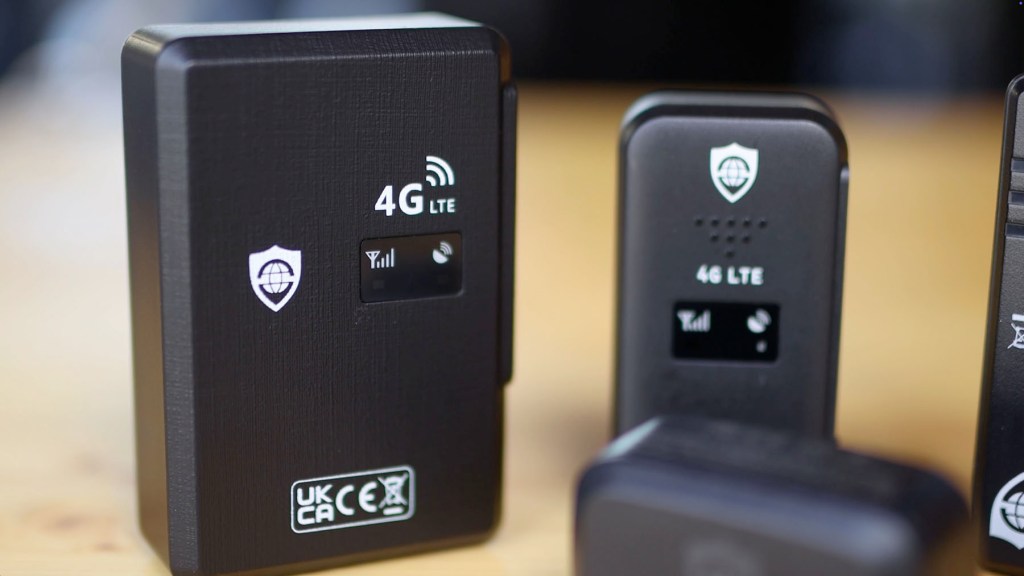
SafeTag has launched its second generation of GPS trackers, providing real-time tracking with instant alerts and location history. The four types of trackers offered include:
- Mag 4G Tracker
- A large, battery-powered tracker with a magnetic design.
- Mini 4G Tracker
- A smaller, battery-powered device ideal for personal tracking.
- Plug 4G Tracker
- Plugs directly into your vehicle’s OBD2 port for easy installation.
- Volt 4G Tracker
- Hardwired into the vehicle’s battery for constant power supply.
These trackers leverage 4G LTE cellular data transmission, offering enhanced connectivity over older 2G models. With features like GPS, BEIDOU, and GLONASS, they ensure global coverage and accurate tracking.
Click to buy your own…


(Affiliate links which help support this blog)
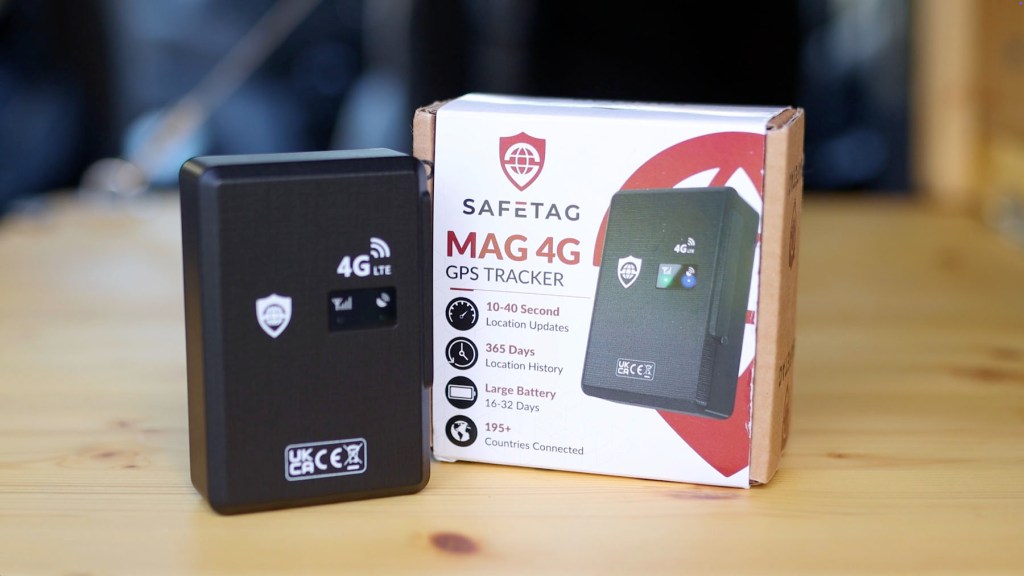
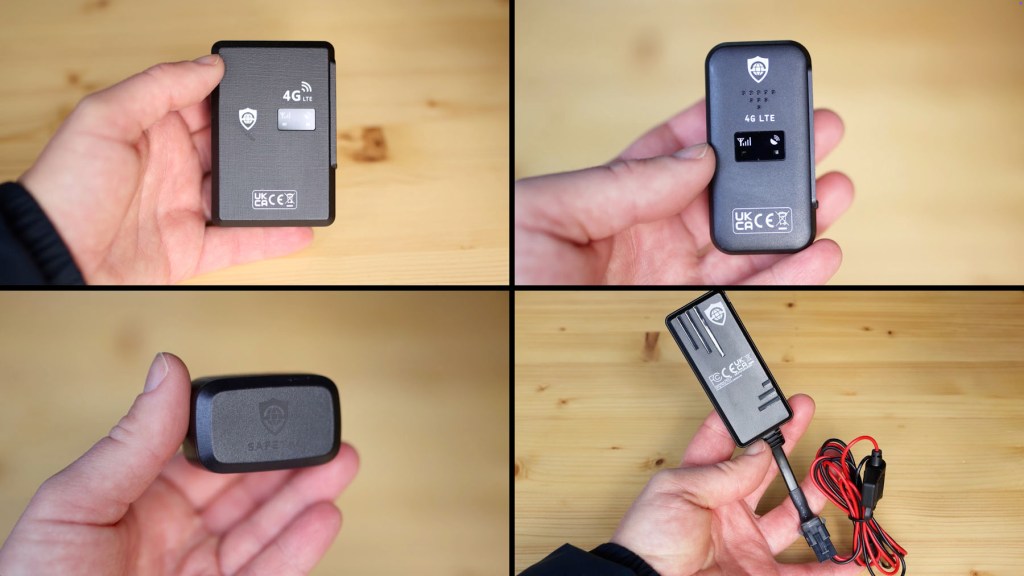
Mag 4G Tracker
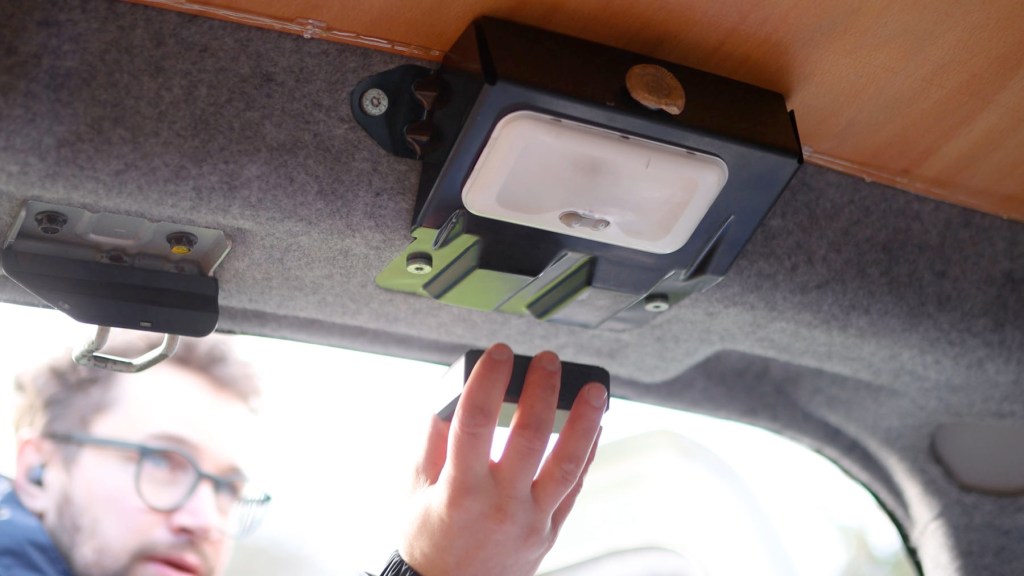
The Mag 4G is a robust GPS tracker featuring a strong magnetic design, making it perfect for discreet placement on vehicles. Here are its key features:
- Size: 8.5 x 5.5 x 3 cm
- Battery: 6,800 mAh with up to 90 days standby, 16-32 days in use.
- Accuracy: Approximately 5 meters.
- Alerts: Movement, battery status, overspeed, and geofence breaches.
The tracker is user-friendly, featuring a small screen to display GPS and signal strength. Charging is done via USB-C, and it takes about four hours to fully charge. The included SIM card is locked to the device, making it ready to use out of the box.
Mini 4G Tracker
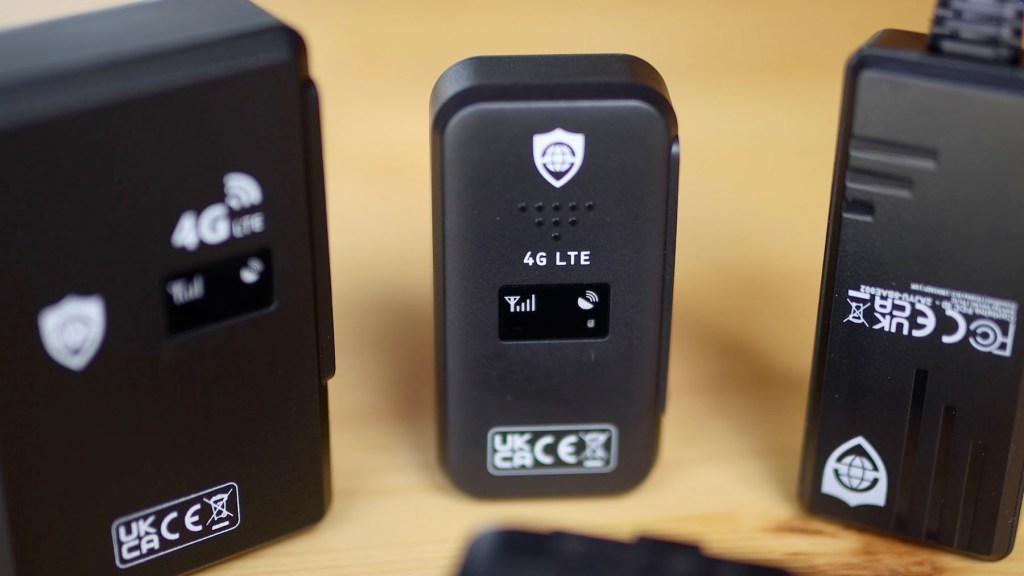
Next up is the Mini 4G, a compact and portable tracker that’s perfect for keeping an eye on personal belongings or pets. Here’s what you need to know:
- Size: 7.5 x 3.5 x 2 cm
- Weight: Just 65g, making it very portable.
- Battery Life: 3 to 9 days, extending to 20 days in standby mode.
- Alerts: Similar to the Mag 4G, it supports movement, battery status, overspeed, and geofence alerts.
This tracker has a rugged surface and charges via USB-C, ensuring durability and ease of use. It provides location updates every 40 seconds and maintains a full year of location history.


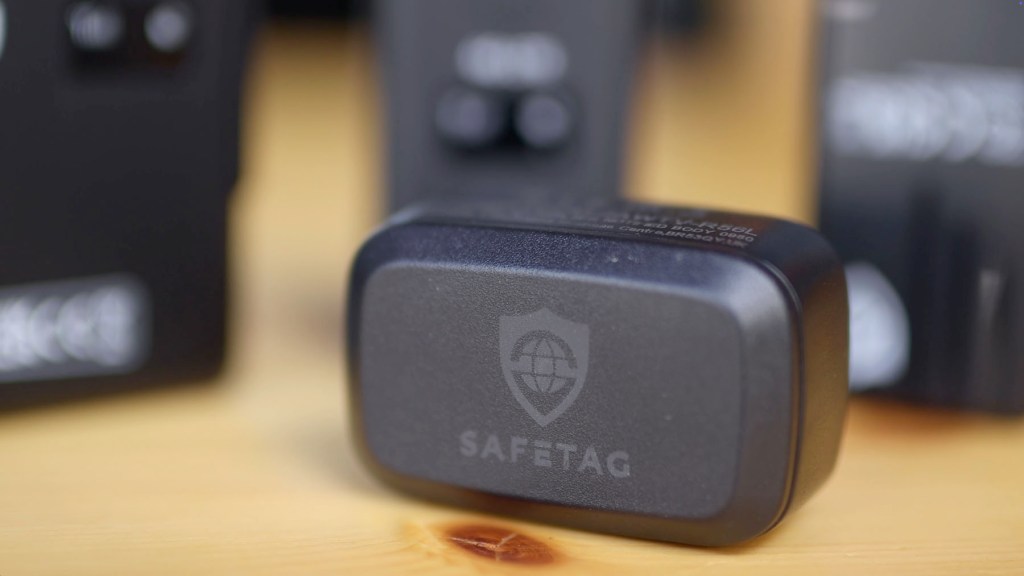
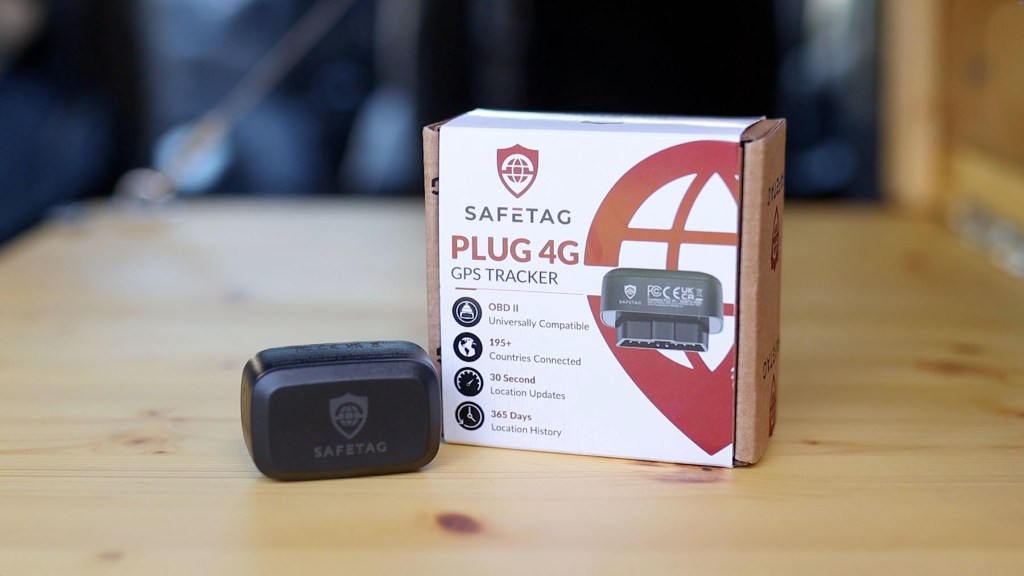
Plug 4G Tracker
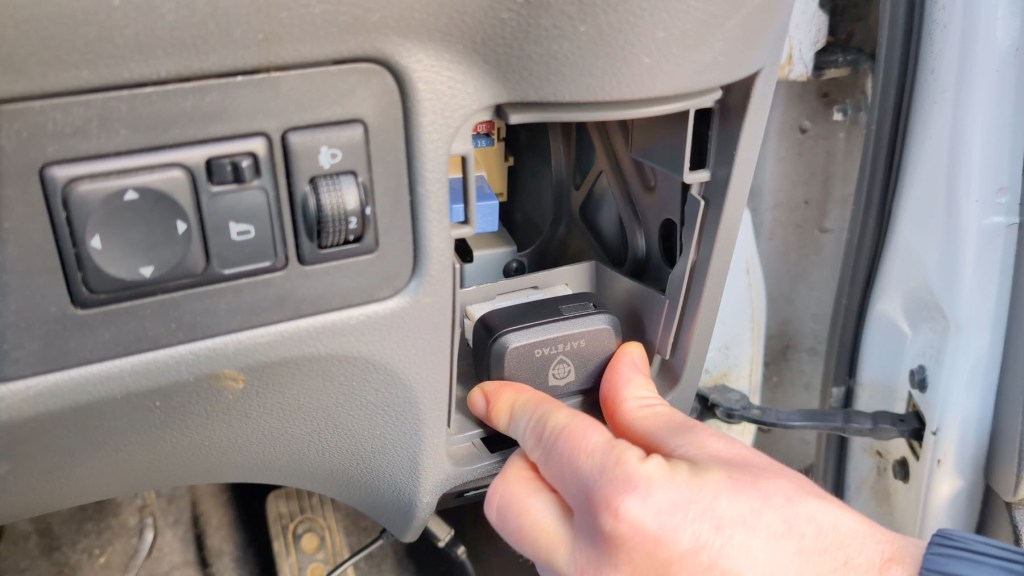
The Plug 4G tracker is designed for vehicle installation, making it incredibly easy to set up. Here are its primary features:
- Installation: Plugs directly into the vehicle’s OBD2 port.
- Power: Always powered by the vehicle’s battery, with a built-in 150 mAh backup battery.
- Alerts: In addition to standard alerts, it includes tamper detection, rapid acceleration, and sharp cornering alerts.
This tracker provides location updates every 30 seconds and covers over 195 countries. It’s perfect for those wanting to monitor their vehicle’s location and driving behavior in real-time.
Volt 4G Tracker
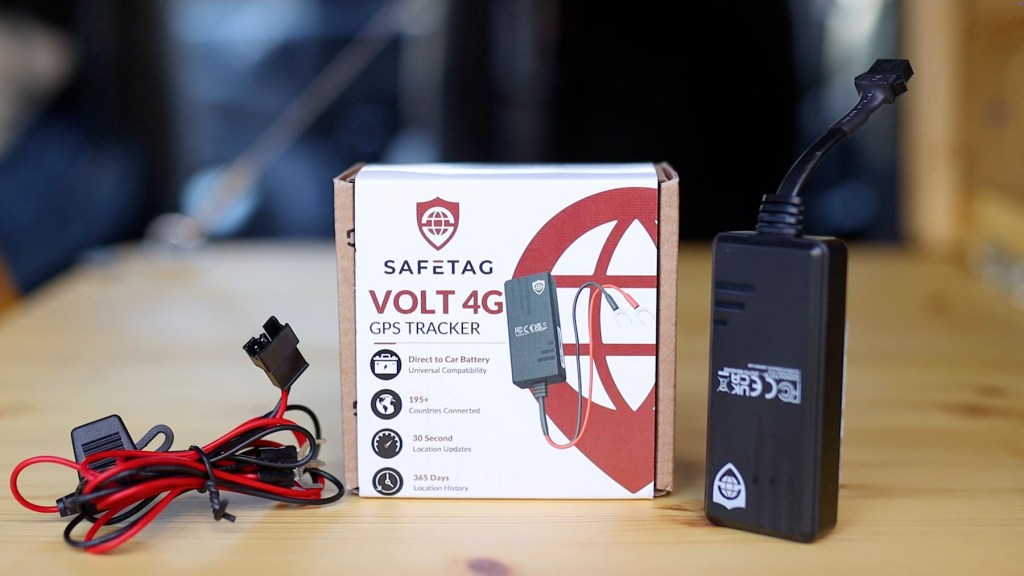
Lastly, the Volt 4G is a hardwired tracker that connects directly to the vehicle’s battery. Here are its standout features:
- Compatibility: Works with vehicles that operate on 9 to 90 volts.
- Battery Backup: Features a built-in battery for continuous operation.
- Alerts: Similar to the Plug 4G, with the addition of tracker removal alerts.
Installation requires basic tools, specifically a socket wrench, to connect to the battery terminals. Once installed, it provides seamless tracking without the need for recharging.

Click to buy your own…


(Affiliate links which help support this blog)
How to Hardwire a Tracker
For those opting for the Volt 4G, hardwiring is straightforward. Here’s a quick guide:
- Open the vehicle’s bonnet and locate the battery.
- Use a socket wrench to loosen the nut on the positive terminal and attach the tracker’s positive wire.
- Repeat for the negative terminal with the black wire.
- Secure the tracker’s body in a discreet location inside the vehicle.
After installation, give the tracker about 30 minutes to come online. A short calibration drive will ensure it’s functioning properly.

We’re also on Instagram!
Check out yogi.the.van to keep up-to-date with all our adventures in the van!


GPS vs. AirTag & Tile Trackers
If you’re considering alternatives like Apple’s AirTag or Tile trackers, it’s essential to understand the differences. Here’s a comparison:
- Range: GPS trackers like SafeTag have a practically unlimited range, while AirTag and Tile rely on Bluetooth, limiting their effectiveness to about 30 meters.
- Data History: GPS trackers provide comprehensive location histories, whereas AirTag offers no built-in history function.
- Alerts: SafeTag trackers send alerts for various events, while Bluetooth-based trackers have limited alert options.
In essence, GPS trackers are more versatile and suited for long-distance tracking compared to their Bluetooth counterparts.
How to Get a Tracker Working
Setting up your SafeTag tracker is a breeze. Follow these simple steps:
- Activate the tracker on the SafeTag website or app.
- Wait approximately 30 minutes for it to go live.
- Calibrate by taking it for a short walk or drive.
Click to buy your own…
(Affiliate links which help support this blog)
Once these steps are completed, you can monitor your tracker’s location in real-time through the SafeTag app, available on both iOS and Android platforms.
The SafeTag App
The SafeTag app is designed for ease of use. It features a map view of your tracker’s location and several functionalities:
- View signal strength, speed, battery levels, and last updated position.
- Access journey history and alerts.
- Set up geofences and manage tracker settings.
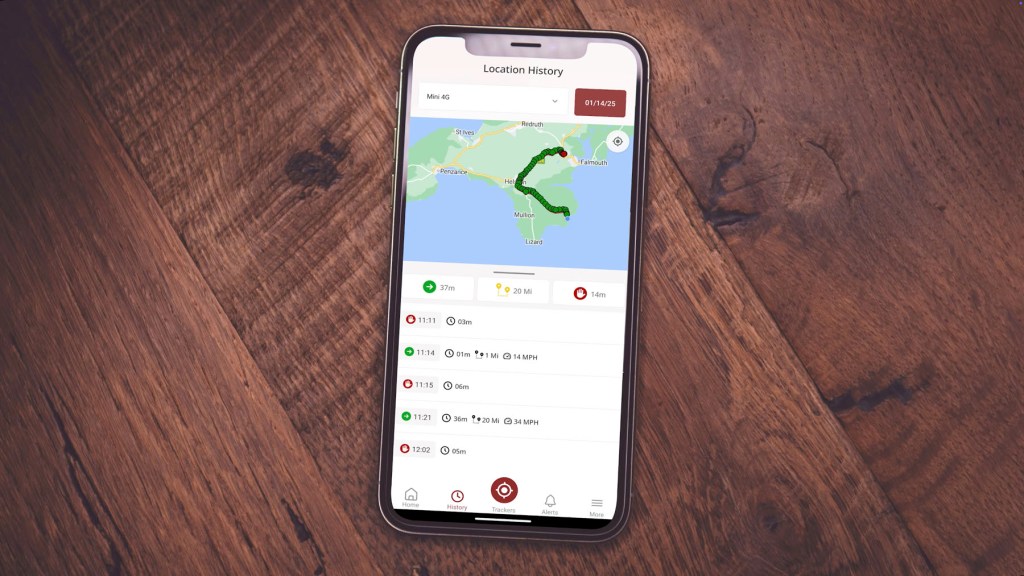
The app is continually updated, adding new features to enhance user experience, making it an invaluable tool for tracker management.
Tracker Prices & Subscription Costs
Cost is always a consideration. Here’s a breakdown of the RRPs, correct at the time of filming:
Click to buy your own…
(Affiliate links which help support this blog)
Each tracker requires a subscription plan, which varies based on location and features. Plans typically range from £5.99 to £12.99 monthly, with options for annual subscriptions at a discounted rate. SafeTag also offers lifetime fixed subscription costs for active customers.
Which Tracker Should You Buy?
Choosing the right tracker depends on your specific needs:
- For long-term vehicle tracking, consider the Plug or Volt for their self-charging capabilities.
- For discreet personal tracking, the Mini is an excellent choice.
- The Mag offers versatility with its magnetic design and extended battery life.
SafeTag’s second generation of trackers offers significant upgrades in functionality and design, making them a top choice for 2025. Remember, while trackers are useful tools for safety and security, they should always be used responsibly, respecting privacy laws and individual rights.
In conclusion, if you’re looking for reliable, versatile GPS trackers, SafeTag provides an excellent range of options that cater to various tracking needs. By understanding the features, installation, and operational aspects of each model, you can make an informed choice that suits your lifestyle.
If you found this guide helpful, consider sharing it with others who might benefit from it. Happy tracking!
Click to buy your own…
(Affiliate links which help support this blog)
 The Tiny Camper Van